About Glen
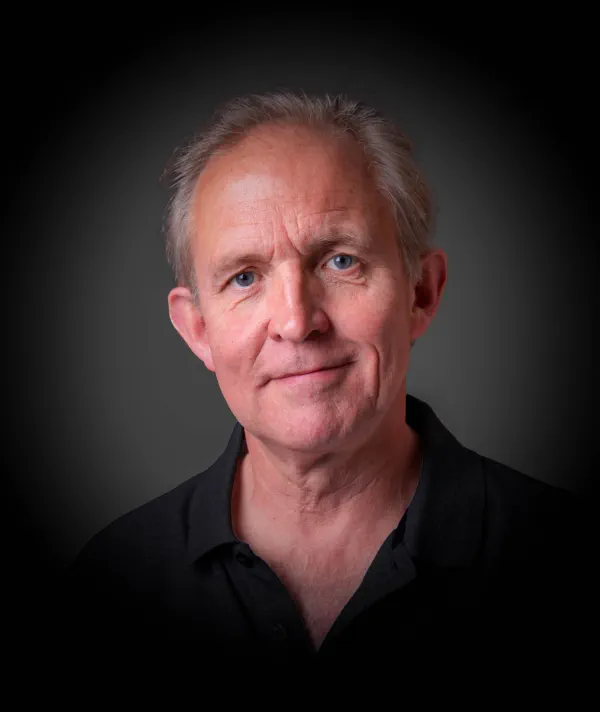
I was using email and the internet from the moment they became available, back in the days of dial‑up modems, when checking your inbox meant unplugging the phone line and listening to a chorus of digital screeches. While most photographers were still relying on Yellow Pages ads and film labs, I built one of the first photographer websites in the UK — hand‑coded, uploaded over FTP, and years ahead of the industry. It transformed my business overnight. Clients could see my work online long before that was normal, and for a few years I was fully booked (without advertising) simply because I’d stepped into the future before everyone else.
The same thing happened with digital photography. I had been using Photoshop since its earliest days — six years before digital cameras were good enough for professional work. So when the technology finally caught up, I didn’t have to learn digital editing; I was already fluent. While other photographers tried to frighten clients away from digital because they didn’t understand computers, I embraced it, refined it, and built workflows that delivered consistency and quality long before the rest of the industry caught up.
Those early years taught me a lot. Working on Windows 3.1, scanning in a 10×8 print at 300ppi, and watching Photoshop take three minutes to save a single file — only to be greeted by a blue screen of death — taught me patience, precision, and a deep understanding of digital imaging. It wasn’t glamorous, but it shaped the way I work today as a photographer and educator.
Alongside my photography work, I spent 15 years teaching hundreds of beginners and next‑steps photographers and Photoshop students at North Herts College, a major local college in Hertfordshire. Those classroom years shaped the way I write and teach today. My handouts were widely praised for being detailed, practical, and easy to follow — and that’s exactly how I’ve written my tutorials here.
I’ve seen first‑hand what beginners struggle with, what confuses them, and what unlocks their confidence. My tutorials are built on that experience: clear, structured, jargon‑free guidance designed for real learners, not experts.
I’m proud of the reputation I built there. My classes were consistently full and student feedback was exceptional, as shown on this page of handwritten comments from students — every one of them warm, personal, and wonderfully encouraging. Teaching wasn’t just something I did alongside photography; it became a core part of how I think about communication, clarity, and helping people grow.